Summer sunshine feels amazing—but months of UV exposure can leave your skin looking less than radiant. Sun damage, brown spots, hyperpigmentation, fine lines, wrinkles, uneven skin tone, and rough texture often become more noticeable once summer fades.
The good news? Fall and winter can be an ideal time to refresh and rejuvenate your complexion with fractional CO2 laser resurfacing at Younique Surgery Center & Medical Spa.
CO2 laser resurfacing for sun damage is an option for patients looking to improve multiple skin concerns with one treatment. Whether you’re noticing new pigmentation after a summer spent outdoors or changes in your skin’s texture that have developed over time, understanding how laser resurfacing works can help you determine whether it’s the right next step for your skincare goals.
What Is CO2 Laser Resurfacing?
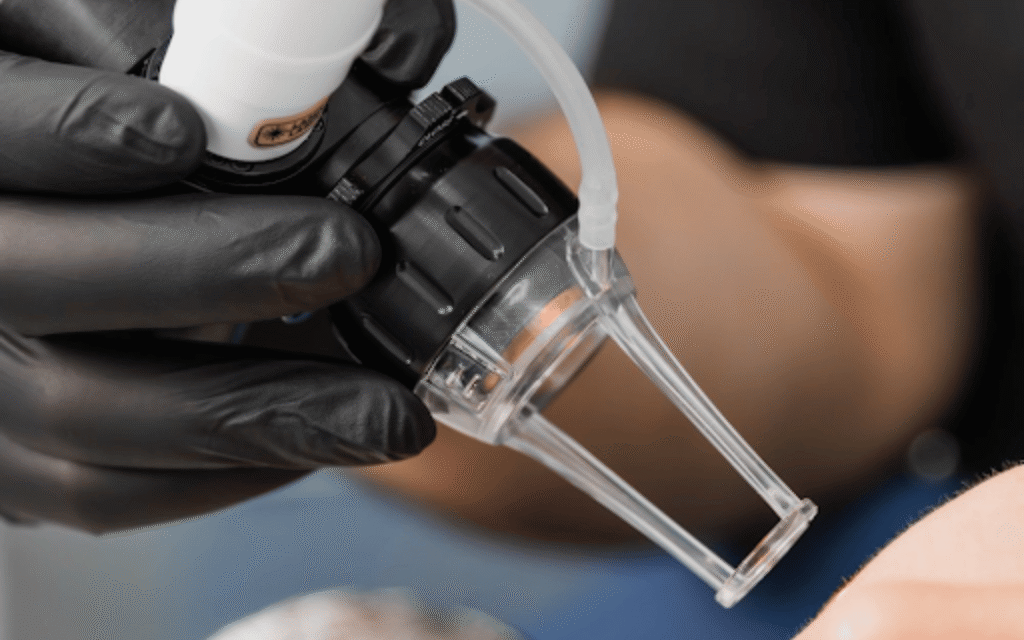
Fractional CO2 laser skin resurfacing is an advanced skin rejuvenation treatment that targets damaged outer layers of skin while stimulating natural collagen production beneath the surface. As the skin heals, fresher, smoother skin is revealed, helping improve tone, texture, and signs of aging.
CO2 laser treatment can address sun damage, age spots, hyperpigmentation, acne scars, enlarged pores, fine lines, wrinkles, and uneven skin texture.
“Summer can be wonderful for the soul, but not always for the skin. CO2 resurfacing gives us a powerful way to address visible sun damage while encouraging the skin to renew itself from within,” says Dr. Mark Youssef, founder and Medical Director of Younique Surgery Center & Medical Spa.*
Unlike treatments that focus primarily on the skin’s surface, fractional CO2 laser resurfacing also delivers controlled energy into deeper layers of the skin. The laser creates microscopic treatment zones while leaving surrounding areas of tissue intact, allowing the skin to begin its natural repair process.
This process encourages collagen remodeling, which can gradually improve the appearance of fine lines, wrinkles, and certain textural irregularities. Because the treatment can be adjusted based on individual skin concerns, the depth and intensity of resurfacing may vary from patient to patient.
According to the American Society of Plastic Surgeons, laser skin resurfacing can improve the appearance of wrinkles, scars, blemishes, and sun-damaged skin.
Why CO2 After Summer?
After months of increased sun exposure, your skin may be ready for a reset. Fractional CO2 laser energy creates controlled micro-injuries in the skin, triggering the body’s natural healing response and stimulating new collagen.
“CO2 laser resurfacing is one of my favorite treatments for patients who want to improve multiple concerns at once,” says Dr. Youssef. “We’re not just focusing on one brown spot or one fine line, we’re working toward healthier-looking skin with improved tone, texture, and overall quality.”*
Depending on the customized treatment, patients should expect some downtime. Younique notes that many treatments involve approximately five to seven days of initial healing, with results continuing to develop as collagen production increases.
What Types of Sun Damage Can CO2 Laser Resurfacing Improve?
One of the advantages of fractional CO2 laser resurfacing is its ability to address several visible skin concerns, including:
- Sunspots and age spots: Certain areas of uneven pigmentation caused by cumulative sun exposure.
- Fine lines and wrinkles: Visible signs of aging that may become more pronounced as collagen production decreases.
- Uneven skin texture: Rough or irregular areas that affect the smoothness of the complexion.
- Acne scars: Certain types of scarring that create unevenness in the skin’s surface.
- Dull-looking skin: Changes in the skin’s appearance associated with sun exposure and aging.
While fractional CO2 resurfacing can improve many of these concerns, not every type of pigmentation or skin condition is appropriate for treatment. For example, patients with melasma or a history of post-inflammatory hyperpigmentation may require a different approach.
A personalized consultation is important to determine whether laser resurfacing is appropriate for your skin type, medical history, and treatment goals.
Why Fall and Winter Are Popular Seasons for Laser Resurfacing
Following fractional CO2 laser resurfacing, the skin needs time to heal and becomes particularly sensitive to sunlight.
Scheduling treatment during fall or winter may make it easier to accommodate the necessary recovery period, especially if you have fewer outdoor activities or upcoming vacations.
This can also be a practical time to plan treatment around holiday schedules, work commitments, or other cosmetic procedures.
However, seasonal timing is only one consideration. Dr. Youssef will also evaluate your recent sun exposure, skin condition, and ability to follow post-treatment care instructions before recommending a procedure.
How Does CO2 Laser Resurfacing Compare to Other Skin Treatments?
Fractional CO2 laser resurfacing is not the only treatment available for patients concerned about sun damage or signs of aging.
Depending on your goals, less intensive treatments may also be worth considering.
For example, IPL treatments may be appropriate for certain pigmentation and redness concerns, while Laser Genesis offers a non-ablative approach to improving overall skin quality.
Fractional CO2 laser resurfacing is generally a more intensive treatment, making it an option for patients looking to address deeper textural concerns, fine lines, and certain types of scarring.
The best choice depends on the condition of your skin, your desired results, and how much downtime you’re comfortable accommodating.
Maintaining Your Results After CO2 Laser Resurfacing
After investing in skin rejuvenation, maintaining a consistent skincare routine can help protect your results.
Sun protection is particularly important because newly resurfaced skin is more vulnerable during the healing process.
Once your provider advises that your skin has healed sufficiently, daily use of broad-spectrum sunscreen with SPF 30 or higher can help protect against additional UV damage.
Protective clothing, shade, and limiting unnecessary direct sun exposure are also important.
It’s worth remembering that while laser resurfacing can improve the appearance of existing sun damage, it does not prevent future UV damage or eliminate the need for regular skin examinations.
For patients interested in additional treatment options, Younique’s guide to repairing post-summer UV damage in Santa Monica explores other approaches to improving skin tone and texture.
Reveal Your Freshest Skin
Your summer memories can last forever. The sun damage doesn’t have to.
“Great aesthetic treatments shouldn’t make you look like someone else,” says Dr. Youssef. “The goal is to help your skin look refreshed, vibrant, and like the best version of you.”*
If you’re ready to improve sun-damaged skin, pigmentation, wrinkles, or uneven texture, discover the power of fractional CO2 laser resurfacing in Santa Monica and Oxnard.
Schedule your consultation with Younique Surgery Center & Medical Spa and let the youth begin.
| CALL/TEXT: 424-369-0762 |